
For years, Small Business Administration (SBA)-backed small business loans were available to borrowers that were at least 51% owned by U.S. citizens, U.S. nationals, and/or U.S. legal permanent residents (LPRs also known as “green card” holders). The Trump Administration has now extended the scope of its efforts to tighten immigration-related policies and rules to qualifications for SBA loans. These are loans made by private lenders to small businesses, but the loans are guaranteed by the SBA.
The process has been gradual in reducing access to SBA loans. A series of increasingly restrictive regulations culminated, earlier this month, in a policy declaration stating that any borrower that is owned, directly or indirectly, by any Noncitizen (including LPRs or U.S. citizens living abroad) is ineligible to receive an SBA-backed loan. Even a 1% ownership stake, direct or indirect, held by an ineligible person, will render the applicant business ineligible to receive an SBA-backed loan. The basis for the policy changes is the Trump Administration’s objective, as stated in the underlying Executive Order 14159, of “Protecting the American People Against Invasion,” as well as broader federal immigration enforcement priorities under the Trump administration.
The new Administration’s tightening policy with respect to the SBA began in April of 2025. At that time, SBA issued a new version of SOP 50 10 8, effective June 1, 2025. SOP 50 10 8 Technical Updates effective 6.1.2025.docx This statement of policy introduced significantly stricter rules on immigration‑related loan eligibility:
- 100% of direct and indirect owners, guarantors, and key employees had to be U.S. citizens, U.S. nationals, or LPRs.
- “Ineligible persons” were defined to include foreign nationals, refugees, asylees, visa holders, DACA recipients, undocumented immigrants, and others.
The tightening policy accelerated in December 2025, effective as of January 1, 2026. On December 19, 2025, SBA issued SBA Procedural Notice 5000-872050, which:
- Allowed up to 5% ownership by certain Noncitizens (foreign nationals living abroad, U.S. citizens/nationals/LPRs living abroad, and Conditional LPRs).
- Otherwise maintained the requirement that 95% of ownership be held by U.S. citizens, nationals, or LPRs with U.S. principal residence.
- Updated definitions of “Ineligible Person” and clarified residency rules. Ineligible persons beginning in December included those – whether U.S. citizens or not – with a principal residence in China, including Hong Kong. Please refer to the Foreign Ownership Decision Tree.
Subsequently, on February 2, 2026, the SBA rescinded the December 2025 Policy and replaced it with even more limited eligibility requirements. Update to SOP 50 10 8 – Citizenship and Residency Requirements and Recission of Procedural Notice 5000-872050. SBA is requiring that 100% of all direct and/or indirect owners of a small business applicant be U.S. Citizens or U.S. Nationals with their Principal Residence in the U.S., its territories, or possessions.
Effective March 1, 2026, SBA loans will require:
- 100% ownership by U.S. citizens or U.S. nationals only, who have their principal residence in the U.S., its territories, or possessions.
- Ineligible persons include undocumented persons in the U.S. illegally, asylees, refugees, visa holders, nonimmigrants under 8 U.S.C. §1101(a)(5), and those granted Deferred Action for Childhood Arrivals (DACA) as listed in the December 2025 Policy.
- LPRs will no longer be eligible to own any share of a business applying for SBA-backed loans—not even 1%.
- The new Policy applies to all major SBA programs, including:
- 7(a) loans
- 504 / CDC loans
- The December 2025 Policy, which contained the 5% exception, was rescinded, and the February 2026 Policy fully excludes LPRs.
- Applies to direct and indirect owners, including complex ownership structures.
- Requires the principal residence of all owners to be within the United States or territories.
The new Policy Statement will also make other procedural changes. Lenders will need to verify financial information (usually through IRS tax transcripts) for all loans. Loan applicants must provide information on at least 81% of direct and indirect ownership of the business. Borrowers will need to certify that their businesses meet the eligibility requirements.
Estimates are that the new Policy could immediately render between 10-15% of current SBA-backed loan recipients ineligible for new loans or refinancing, because the businesses are owned by green-card holders who may have been U.S. residents and taxpayers for years.[1] Critics believe that the new Policy will impair job creation and business growth.[2]
Between now and March 1, 2026, businesses considering SBA-backed financing should review ownership structures and consult legal or financial advisors where appropriate. Lenders will need clear and consistent guidance to implement the policy uniformly. Note also that the Policy does not prohibit or otherwise limit non-US citizens from owning and operating a business in the U.S., but such businesses will need to obtain financing from sources other than the SBA programs affected by the Policy.
Related Services:
About the Authors:
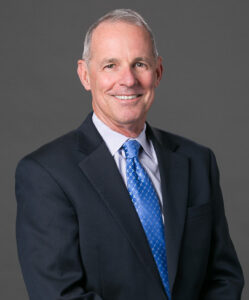 David Thompson advises small to mid-size company management on corporate, transactional, and health care matters, including business acquisitions, sales, securities offerings, and secured lending. He represents health care providers such as physician groups, diagnostic centers, and clinical laboratories, guiding them on regulatory compliance, fraud and abuse laws, HIPAA, joint ventures, physician recruitment, and Accountable Care Organizations. David also drafts corporate and employment agreements and represents clients in regulatory proceedings, combining business strategy with practical legal guidance to help clients navigate complex transactions and compliance matters.

Kathleen Campbell Walker is a Member of Dickinson Wright and Chair of the firm’s Immigration Practice Group, based in the El Paso and Denver offices. She is board certified in Immigration and Nationality Law by the Texas Board of Legal Specialization. A former national president and general counsel of the American Immigration Lawyers Association (AILA), she received the AILA Founder’s Award (now the Robert E. Juceam Award) in 2014, recognizing the individual or entity with the most significant impact on immigration law or policy during the preceding period. She has also testified multiple times before Congress on immigration and border security matters. She can be reached at KWalker@dickinsonwright.com.
[1] SBA loan rule change shocks small businesses: SBA 100% citizenship mandate explained: Why green card holders lose access to SBA loans starting March 1, 2026 – The Economic Times.
[2] SBA cuts off non-US citizens from primary loan program – POLITICO.